


Understanding Manhole Covers: Essential Components of Urban Infrastructure
Release Time:
May 10,2026
Manhole covers are critical components of urban infrastructure, designed to provide access to underground utilities while ensuring safety for pedestrians and vehicles. These covers serve as a protective barrier, preventing accidents and unauthorized access to the utility systems below. Typically made from materials such as cast iron, steel, and polymer composites, the choice of material can signif

Manhole covers are critical components of urban infrastructure, designed to provide access to underground utilities while ensuring safety for pedestrians and vehicles. These covers serve as a protective barrier, preventing accidents and unauthorized access to the utility systems below. Typically made from materials such as cast iron, steel, and polymer composites, the choice of material can significantly impact durability, weight, and resistance to environmental factors.
One of the essential considerations in the selection of manhole covers is their load-bearing capacity. Depending on their intended location—be it on sidewalks, roadways, or industrial areas—these covers must withstand various weights and forces. For instance, covers placed in high-traffic areas require higher load ratings to endure the pressure from vehicles, while those in pedestrian zones might have less stringent requirements.
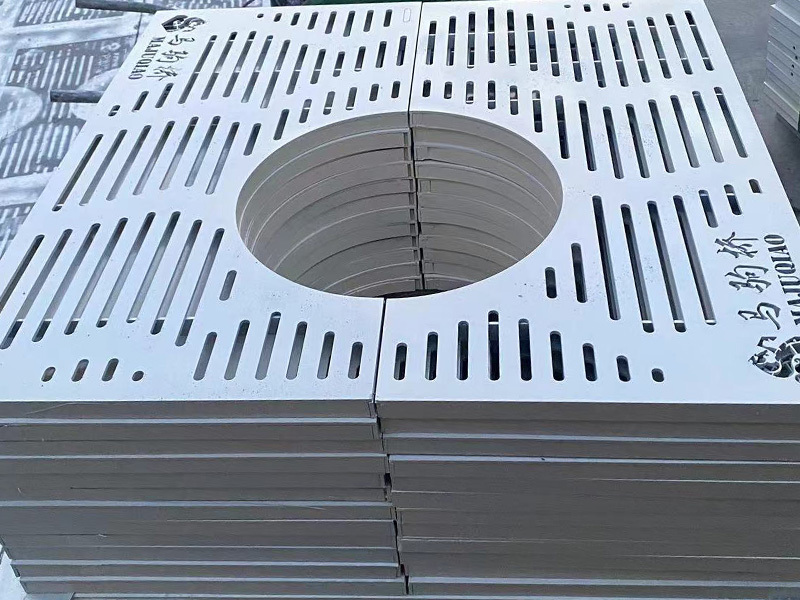
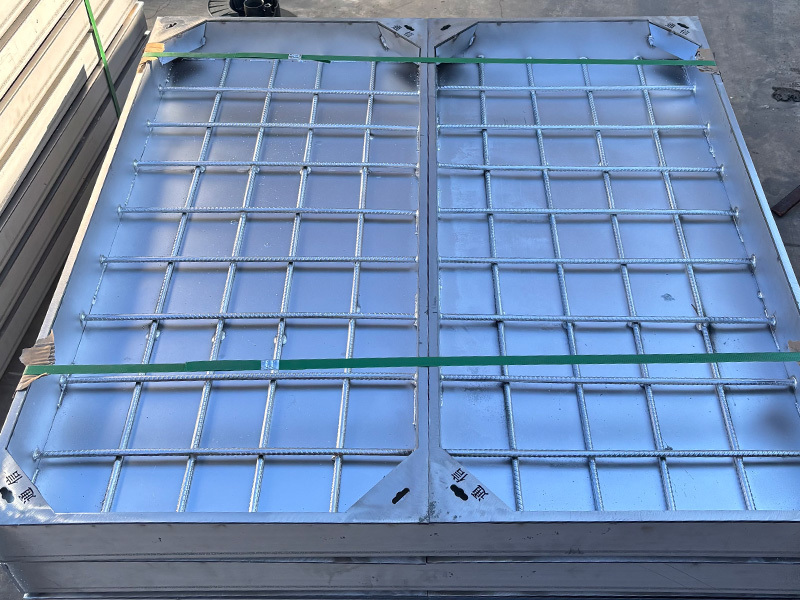
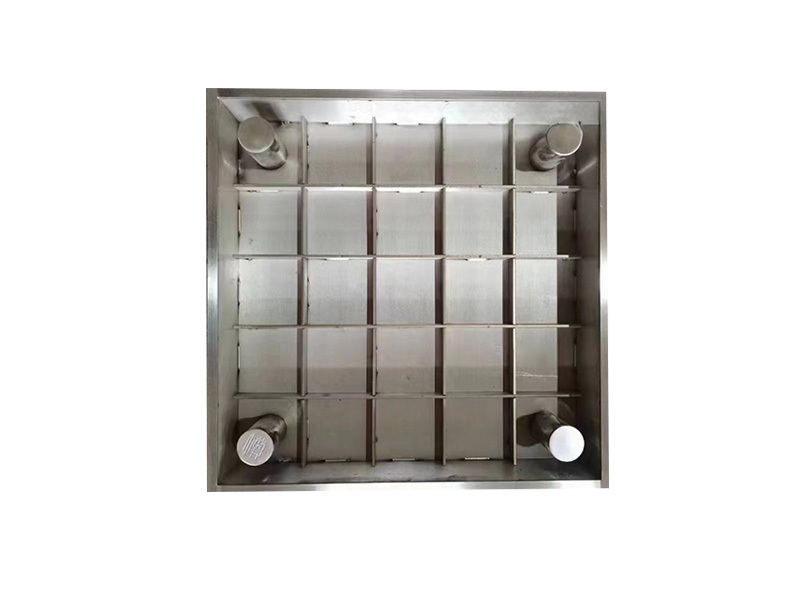
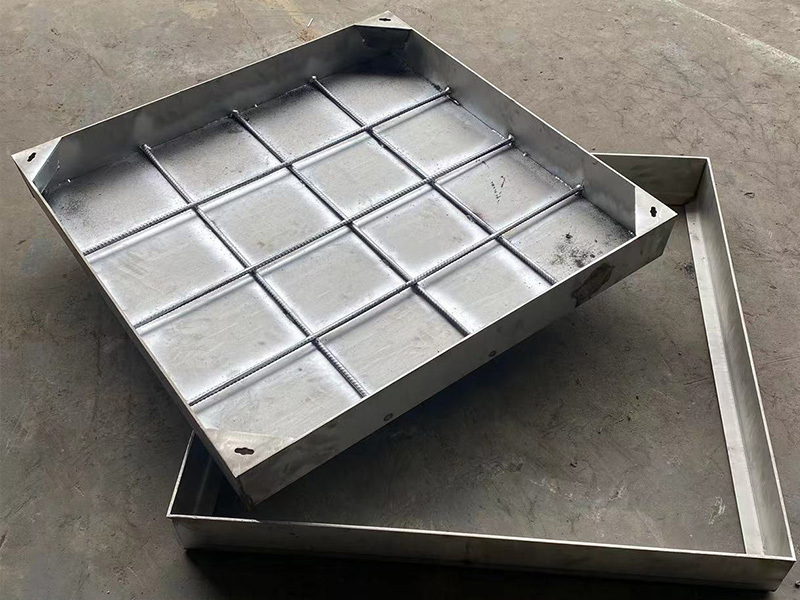
In addition to load capacity, the design of manhole covers is vital for ensuring safety and efficiency. Standard designs feature round shapes, which are less likely to become misaligned and fall into the opening. However, square and rectangular covers are also available, often used in specific applications where spatial constraints apply. The surface texture of the cover is also important; it should provide adequate grip to prevent slips, especially in wet conditions.
Another essential aspect to consider is the ease of access for maintenance purposes. Manhole covers equipped with a lifting mechanism, such as a grab handle or a key, facilitate quicker access for utility workers. Additionally, features like a locking mechanism can enhance security by preventing unauthorized access.
While the primary function of manhole covers is to cover openings, they can also serve aesthetic purposes. Modern designs can incorporate branding or decorative elements that blend well with urban landscapes, enhancing the visual appeal of public spaces.
Regular maintenance and inspection of manhole covers are critical to ensure their longevity and functionality. Damaged or worn-out covers should be replaced promptly to avoid safety hazards and potential liabilities. Moreover, municipalities and property owners should adhere to local regulations regarding manhole cover specifications, ensuring compliance with safety standards.
In conclusion, understanding the various aspects of manhole covers—including material selection, load capacity, design features, and maintenance—enables professionals in the hardware tools and fittings industry to make informed decisions. By prioritizing safety, efficiency, and aesthetics, manhole covers can significantly contribute to the overall functionality and appearance of urban environments.
One of the essential considerations in the selection of manhole covers is their load-bearing capacity. Depending on their intended location—be it on sidewalks, roadways, or industrial areas—these covers must withstand various weights and forces. For instance, covers placed in high-traffic areas require higher load ratings to endure the pressure from vehicles, while those in pedestrian zones might have less stringent requirements.
In addition to load capacity, the design of manhole covers is vital for ensuring safety and efficiency. Standard designs feature round shapes, which are less likely to become misaligned and fall into the opening. However, square and rectangular covers are also available, often used in specific applications where spatial constraints apply. The surface texture of the cover is also important; it should provide adequate grip to prevent slips, especially in wet conditions.
Another essential aspect to consider is the ease of access for maintenance purposes. Manhole covers equipped with a lifting mechanism, such as a grab handle or a key, facilitate quicker access for utility workers. Additionally, features like a locking mechanism can enhance security by preventing unauthorized access.
While the primary function of manhole covers is to cover openings, they can also serve aesthetic purposes. Modern designs can incorporate branding or decorative elements that blend well with urban landscapes, enhancing the visual appeal of public spaces.
Regular maintenance and inspection of manhole covers are critical to ensure their longevity and functionality. Damaged or worn-out covers should be replaced promptly to avoid safety hazards and potential liabilities. Moreover, municipalities and property owners should adhere to local regulations regarding manhole cover specifications, ensuring compliance with safety standards.
In conclusion, understanding the various aspects of manhole covers—including material selection, load capacity, design features, and maintenance—enables professionals in the hardware tools and fittings industry to make informed decisions. By prioritizing safety, efficiency, and aesthetics, manhole covers can significantly contribute to the overall functionality and appearance of urban environments.
Keywords:
More information

Jin Di
Tel:
Sales E-mail: