

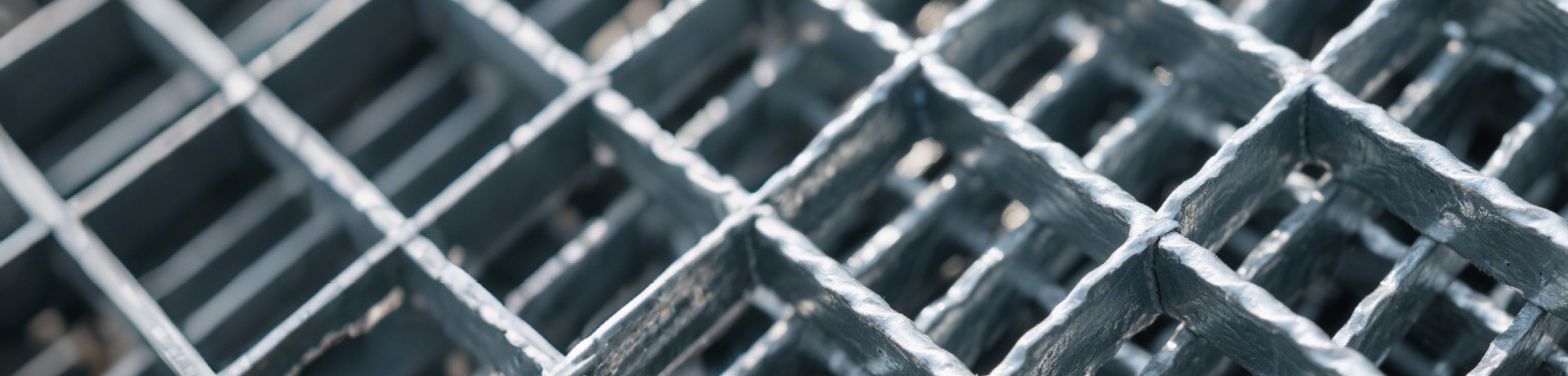
The Role of Stainless Steel Grates in Professional Kitchens
Release Time:
May 03,2026
The Role of Stainless Steel Grates in Professional Kitchens Introduction to Stainless Steel Grates Stainless steel grates play a pivotal role in the functionality and efficiency of professional kitchens. They are not just a minor accessory; rather, they are instrumental in various cooking processes, from grilling to baking. Their robust design, ease of maintenance, and hygienic properties make the

The Role of Stainless Steel Grates in Professional Kitchens
Introduction to Stainless Steel Grates
Stainless steel grates play a pivotal role in the functionality and efficiency of professional kitchens. They are not just a minor accessory; rather, they are instrumental in various cooking processes, from grilling to baking. Their robust design, ease of maintenance, and hygienic properties make them a preferred choice among culinary professionals.
The Importance of Material in Kitchen Equipment
When it comes to kitchen equipment, the material significantly influences performance. Stainless steel, renowned for its strength and resilience, stands out among other materials for several reasons:
Durability and Longevity
Stainless steel grates are highly resistant to corrosion, rust, and staining. This durability ensures that they maintain their integrity even in high-heat environments, making them an ideal choice for busy kitchens where equipment faces daily wear and tear.
Hygienic Properties
One of the most critical aspects of professional kitchens is maintaining hygiene. Stainless steel does not harbor bacteria or other pathogens, which is paramount in food preparation areas. The smooth surface allows for easy cleaning, ensuring that the grates remain sanitary and safe for food contact.
Versatility of Stainless Steel Grates
Stainless steel grates are not one-size-fits-all; they come in various shapes, sizes, and designs to suit different cooking techniques.
Grilling and Barbecue Applications
For grilling enthusiasts, stainless steel grates can withstand the intense heat of charcoal or gas grills, providing even cooking and perfect sear marks. The ability to withstand high heat without deforming or warping makes them a favorite for barbecue chefs.
Baking and Roasting
In baking, stainless steel grates serve as excellent cooling racks, allowing air circulation around baked goods. They can also be used for roasting vegetables and meats, enabling better heat distribution for an evenly cooked dish.
Benefits of Using Stainless Steel Grates in Professional Kitchens
When comparing stainless steel grates to other materials, several benefits become apparent.
Enhanced Flavor Profiles
Using stainless steel grates can enhance the flavor of grilled foods. The grates provide high heat retention and even distribution, allowing for caramelization and the development of complex flavors in meats and vegetables.
Easy Maintenance and Care
Stainless steel grates are remarkably easy to clean. A simple scrub with soap and water is often sufficient to remove food residue and grease. Many professional kitchens opt for commercial-grade cleaning solutions to ensure that their grates remain in top condition, but the low-maintenance nature makes them a favorite among chefs.
Safety Features
Safety is paramount in professional kitchens. Stainless steel grates are often designed with safety features that reduce the risk of food slipping through the cracks. This is particularly important when cooking smaller items, ensuring that they remain intact during the cooking process.
Choosing the Right Stainless Steel Grate for Your Kitchen
Not all stainless steel grates are created equal. Selecting the right one for your kitchen can significantly affect your cooking experience.
Understanding Gauge and Thickness
The gauge of stainless steel refers to its thickness, which directly impacts durability. A lower gauge number indicates a thicker steel, which typically translates to greater strength and resistance to bending or warping. For professional kitchens, a gauge of 16 or lower is generally recommended.
Surface Finish Types
Stainless steel grates come with various surface finishes, including polished, brushed, or satin. Each finish has its advantages, with brushed surfaces often providing better resistance to scratches and fingerprints, making them a practical choice for busy kitchens.
Installation and Usage Tips for Stainless Steel Grates
Proper installation and usage can maximize the benefits of stainless steel grates in professional settings.
Installation Guidelines
When installing stainless steel grates, ensure that they fit securely within the cooking appliance. Gaps can lead to uneven cooking or food falling through. Proper alignment promotes even heat distribution and reduces the risk of accidents.
Usage Techniques
Utilizing stainless steel grates effectively involves understanding heat management. Preheating the grate before placing food on it enhances searing capabilities and contributes to better flavor development. Additionally, using non-stick sprays can minimize sticking without compromising the health benefits of stainless steel.
Common Misconceptions About Stainless Steel Grates
Despite their popularity, several misconceptions about stainless steel grates persist.
All Stainless Steel is the Same
Not all stainless steel is created equal. There are different grades, and food-grade stainless steel (such as 304 or 316) is specifically designed for food safety and corrosion resistance.
Stainless Steel Grates are Difficult to Clean
While some may believe that stainless steel grates are difficult to maintain, the reality is that they are among the easiest materials to clean. Regular maintenance prevents buildup and ensures longevity.
Environmental Impact of Stainless Steel Grates
As sustainability becomes increasingly important in culinary practices, the environmental impact of kitchen equipment is a significant consideration.
Recyclability
Stainless steel is highly recyclable, making it an environmentally friendly choice for those looking to minimize their ecological footprint. When the grates reach the end of their life cycle, they can be repurposed, reducing waste in landfills.
Longevity and Resource Efficiency
The durability of stainless steel grates means that they do not need to be replaced frequently, conserving resources and reducing manufacturing waste.
Conclusion
Stainless steel grates are indispensable tools in professional kitchens, offering unmatched durability, hygiene, and versatility. Their ability to enhance flavor profiles and withstand rigorous use makes them the go-to choice for chefs worldwide. By understanding the different types, maintenance requirements, and advantages of stainless steel grates, culinary professionals can make informed decisions that elevate their cooking experience. Investing in high-quality stainless steel grates is not just an investment in tools; it’s an investment in flavor, safety, and sustainability.
FAQs
1. Are stainless steel grates dishwasher safe?
While many stainless steel grates can withstand dishwasher cleaning, hand washing is often recommended to maintain their finish and prevent warping.
2. How do I prevent food from sticking to stainless steel grates?
Preheating the grate and applying a light coat of cooking oil can help prevent sticking.
3. What is the best way to clean stainless steel grates?
Using a soft scrubber with warm, soapy water typically suffices, but specialized stainless steel cleaners can enhance their shine.
4. Can I use stainless steel grates on charcoal grills?
Yes, stainless steel grates are suitable for use on both gas and charcoal grills, providing excellent heat retention and distribution.
5. How do I know if my stainless steel grate is food-grade?
Look for markings that denote food-grade standards, such as 304 or 316 stainless steel, which indicate higher resistance to corrosion and are safe for food contact.
Keywords:
More information

Jin Di
Tel:
Sales E-mail: