


Enhancing Urban Infrastructure with Rainwater Manhole Covers
Release Time:
Apr 26,2026
Rainwater manhole covers are essential components in urban planning and infrastructure development, designed to efficiently manage rainwater runoff and prevent flooding. They serve as access points to underground drainage systems while ensuring that surface water is effectively channeled away from streets and buildings, thereby mitigating the risk of water accumulation and potential damage. One of

Rainwater manhole covers are essential components in urban planning and infrastructure development, designed to efficiently manage rainwater runoff and prevent flooding. They serve as access points to underground drainage systems while ensuring that surface water is effectively channeled away from streets and buildings, thereby mitigating the risk of water accumulation and potential damage.
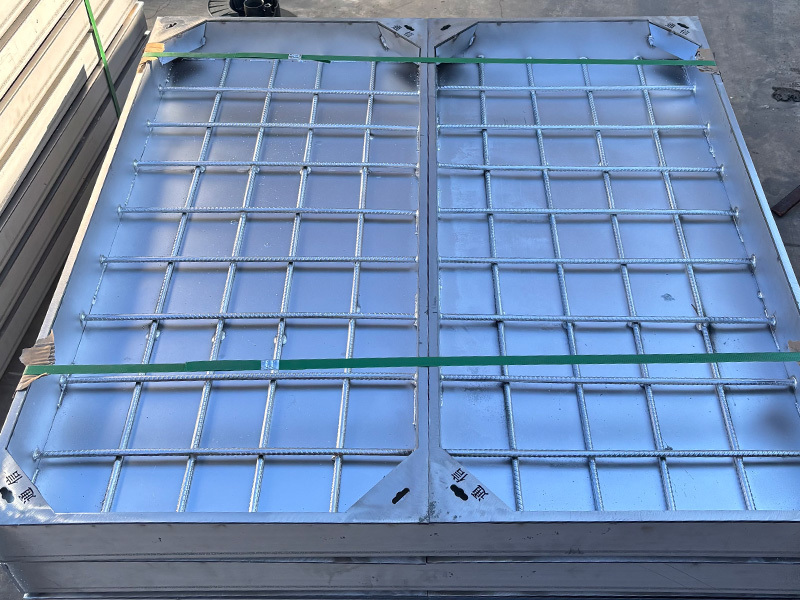
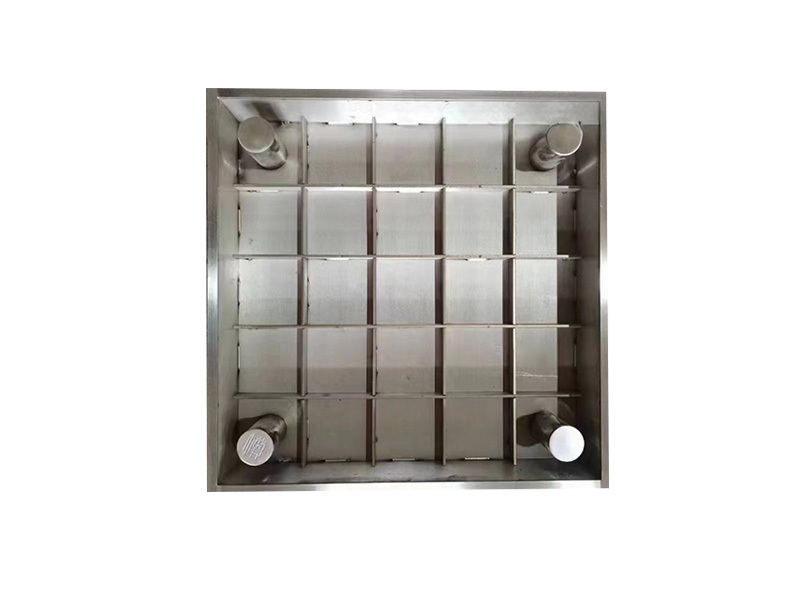
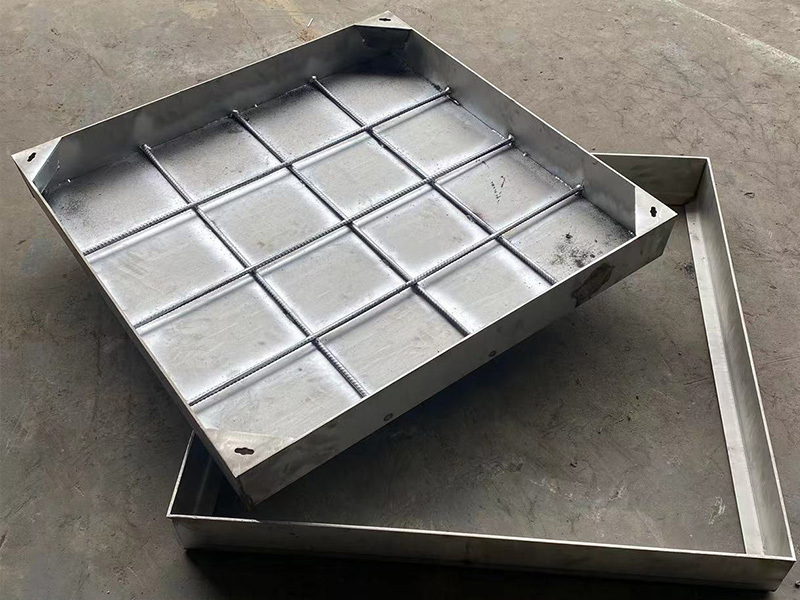
One of the primary functions of a rainwater manhole cover is to protect the drainage system from debris and pollutants while allowing for easy maintenance access. These covers are typically made from durable materials such as cast iron, composite, or reinforced plastic—each selected for its strength, weather resistance, and ability to withstand the stresses of traffic and environmental conditions. The choice of material is crucial, as it determines the cover's lifespan and overall performance.
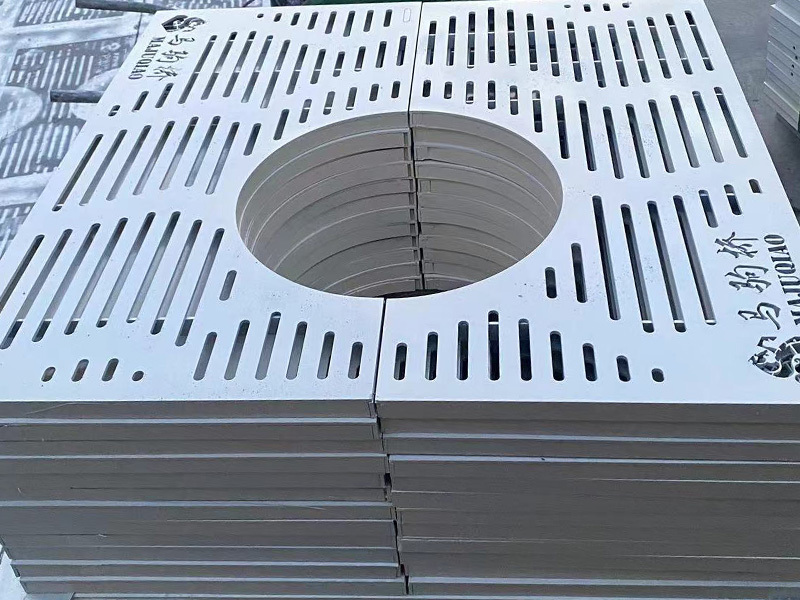
In terms of design, rainwater manhole covers are engineered to allow for maximum water flow while minimizing the risk of clogging. Many modern designs incorporate features such as slotted openings or raised patterns to facilitate the rapid drainage of rainwater. Additionally, some covers are designed with anti-slip surfaces to ensure safety for pedestrians and vehicles, particularly in wet conditions.
Furthermore, rainwater manhole covers play a vital role in sustainable urban development. As cities face increasing challenges from climate change and urbanization, effective water management systems become paramount. By facilitating the quick dispersal of rainwater, these covers help to reduce the likelihood of urban flooding—a growing concern in many metropolitan areas. This not only protects infrastructure but also safeguards the environment by preventing water pollution from stagnant runoff.
The installation and maintenance of rainwater manhole covers are critical to their effectiveness. Proper installation ensures that the cover is flush with the surrounding pavement, minimizing trip hazards and enabling smooth vehicular movement. Regular maintenance checks are essential to clear any debris that may accumulate and to ensure that the drainage system remains functional. This proactive approach to maintenance helps extend the lifespan of the covers and the efficiency of the drainage system.
In conclusion, rainwater manhole covers are more than just functional elements; they are integral to the resilience and sustainability of urban environments. Their design, material selection, and proper maintenance are essential for effective rainwater management. As cities continue to evolve, understanding the importance of these components will be crucial for engineers, urban planners, and sustainability advocates alike. Implementing advanced rainwater management systems, including manhole covers, can significantly enhance a city's ability to adapt to changing environmental conditions and improve the quality of life for its residents.
One of the primary functions of a rainwater manhole cover is to protect the drainage system from debris and pollutants while allowing for easy maintenance access. These covers are typically made from durable materials such as cast iron, composite, or reinforced plastic—each selected for its strength, weather resistance, and ability to withstand the stresses of traffic and environmental conditions. The choice of material is crucial, as it determines the cover's lifespan and overall performance.
In terms of design, rainwater manhole covers are engineered to allow for maximum water flow while minimizing the risk of clogging. Many modern designs incorporate features such as slotted openings or raised patterns to facilitate the rapid drainage of rainwater. Additionally, some covers are designed with anti-slip surfaces to ensure safety for pedestrians and vehicles, particularly in wet conditions.
Furthermore, rainwater manhole covers play a vital role in sustainable urban development. As cities face increasing challenges from climate change and urbanization, effective water management systems become paramount. By facilitating the quick dispersal of rainwater, these covers help to reduce the likelihood of urban flooding—a growing concern in many metropolitan areas. This not only protects infrastructure but also safeguards the environment by preventing water pollution from stagnant runoff.
The installation and maintenance of rainwater manhole covers are critical to their effectiveness. Proper installation ensures that the cover is flush with the surrounding pavement, minimizing trip hazards and enabling smooth vehicular movement. Regular maintenance checks are essential to clear any debris that may accumulate and to ensure that the drainage system remains functional. This proactive approach to maintenance helps extend the lifespan of the covers and the efficiency of the drainage system.
In conclusion, rainwater manhole covers are more than just functional elements; they are integral to the resilience and sustainability of urban environments. Their design, material selection, and proper maintenance are essential for effective rainwater management. As cities continue to evolve, understanding the importance of these components will be crucial for engineers, urban planners, and sustainability advocates alike. Implementing advanced rainwater management systems, including manhole covers, can significantly enhance a city's ability to adapt to changing environmental conditions and improve the quality of life for its residents.
Keywords:
More information

Jin Di
Tel:
Sales E-mail: