


The Ultimate Guide to Choosing the Right Stainless Steel Grate for Your Needs
Release Time:
Jul 25,2025
The Ultimate Guide to Choosing the Right Stainless Steel Grate for Your Needs Introduction to Stainless Steel Grates Stainless steel grates have become an essential component in various applications, from outdoor cooking setups to drainage systems and even architectural features. Their **durability**, **corrosion resistance**, and **aesthetic appeal** make them a preferred choice for many. In this

The Ultimate Guide to Choosing the Right Stainless Steel Grate for Your Needs
Introduction to Stainless Steel Grates
Stainless steel grates have become an essential component in various applications, from outdoor cooking setups to drainage systems and even architectural features. Their **durability**, **corrosion resistance**, and **aesthetic appeal** make them a preferred choice for many. In this guide, we will explore the different aspects of stainless steel grates, helping you choose the right one for your needs.
Understanding Stainless Steel: The Material Behind the Grate
The Composition of Stainless Steel
Stainless steel is an alloy primarily composed of iron, carbon, and a minimum of 10.5% chromium. The addition of chromium is crucial, as it forms a protective layer of chromium oxide, which prevents corrosion and rust. Various grades of stainless steel exist, each offering different properties and suitability for specific applications.
Common Grades of Stainless Steel Used in Grates
1. **304 Stainless Steel**: This is the most commonly used grade, known for its excellent corrosion resistance and formability. It is ideal for kitchen and outdoor environments.
2. **316 Stainless Steel**: Slightly more expensive, 316 grade offers superior corrosion resistance due to the addition of molybdenum. It is perfect for marine environments and harsh chemical situations.
3. **430 Stainless Steel**: This ferritic grade is less expensive and offers good corrosion resistance but is not as durable as 304 or 316 grades. It is often used in decorative applications.
Types of Stainless Steel Grates
1. Drainage Grates
Drainage grates are essential for channeling water away from surfaces, preventing flooding, and ensuring safety. They come in various designs, including slotted, perforated, and solid.
2. Cooking Grates
Cooking grates are designed specifically for grilling and barbecuing. They provide a sturdy platform for cooking food while allowing for maximum airflow and flavor infusion.
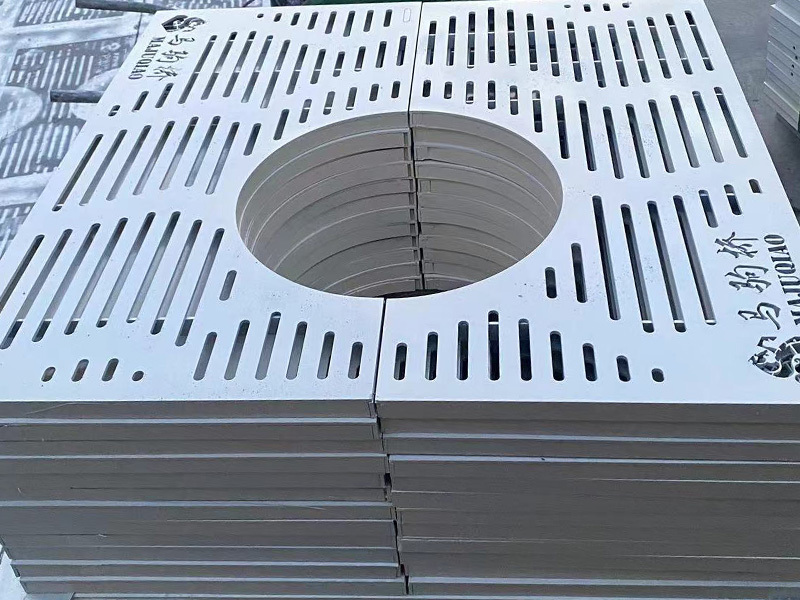
3. Decorative Grates
These grates are often used in architectural designs, serving both functional and aesthetic purposes. They can enhance the look of walkways, patios, and gardens while allowing for proper drainage.
4. Industrial Grates
Designed for heavy-duty use, industrial stainless steel grates are used in factories and warehouses. They must withstand significant weight and harsh environments.
Key Factors to Consider When Choosing a Stainless Steel Grate
1. Purpose and Application
Understanding the intended use of the grate is paramount. Whether it's for drainage, cooking, or decoration will determine the type of grate you need.
2. Size and Dimensions
Select a grate that fits the space available. Measure the area where the grate will be installed to ensure a proper fit. Consider both the width and length, as well as the depth if applicable.
3. Load Capacity
Different grates can support various weight limits. If you're using the grate in a high-traffic area or under heavy machinery, ensure it has the necessary load capacity.
4. Corrosion Resistance
Consider the environment in which the grate will be used. If it’s exposed to harsh chemicals or salty air, opt for a higher grade of stainless steel, such as 316.
5. Maintenance Requirements
Some grates require more maintenance than others. Cooking grates, for instance, need regular cleaning to prevent food residue buildup, while decorative grates may only require occasional cleaning.
Installation Tips for Stainless Steel Grates
1. Prepare the Installation Area
Ensure the area is clean and free of debris. For drainage grates, check that the drainage channels are clear and functional.
2. Follow Manufacturer Instructions
Each manufacturer will provide specific installation guidelines. Following these instructions is critical for ensuring optimal performance and longevity of the grate.
3. Use Proper Tools and Fasteners
Utilize the right tools and fasteners for secure installation. Stainless steel fasteners are recommended to prevent corrosion at the joints.
Benefits of Using Stainless Steel Grates
1. Durability and Longevity
Stainless steel grates are highly durable, resistant to wear and tear, and can last for many years with proper care.
2. Aesthetic Appeal
These grates offer a sleek, modern look that can enhance the appearance of any space, whether in a home or commercial environment.
3. Easy Maintenance
Stainless steel grates are easy to clean, which is essential for both hygiene and longevity. They can often be cleaned with just soap and water.
Common Applications of Stainless Steel Grates
1. Residential Use
Homeowners often use stainless steel grates in kitchens, bathrooms, and outdoor spaces. They are popular for their functionality and attractive appearance.
2. Commercial Use
Restaurants and cafes utilize cooking grates for grilling, while retail spaces may employ decorative grates for aesthetic purposes.
3. Industrial Use
In industrial settings, these grates provide essential support and drainage, helping maintain safety and efficiency in the workplace.
FAQs about Stainless Steel Grates
1. What is the best grade of stainless steel for outdoor use?
Grade 316 stainless steel is the best choice for outdoor environments due to its superior corrosion resistance, especially in marine applications.
2. How can I clean my stainless steel grate?
You can clean your grate with a mixture of soap and water. For tougher stains, a gentle abrasive cleaner can be used.
3. Are stainless steel grates safe for cooking?
Yes, stainless steel grates are safe for cooking and are widely used in grills and ovens due to their durability and ease of cleaning.
4. Can stainless steel grates rust?
While stainless steel is resistant to rust, it is not entirely rust-proof. Proper maintenance and cleaning are essential to prevent rust.
5. How do I know what size grate to buy?
Measure the area where the grate will be installed. Consider both width and length, ensuring you account for any depth if necessary.
Conclusion
Choosing the right stainless steel grate is crucial for optimizing functionality and aesthetics in various applications. By understanding the different types, grades, and considerations, you can confidently select a grate that meets your specific needs. Whether for cooking, drainage, or architectural elements, stainless steel grates offer unparalleled durability and style, making them a wise investment for any project. Explore your options, evaluate your requirements, and make an informed decision to enhance your space today.
Keywords:
More information

Jin Di
Tel:
Sales E-mail: