


Understanding Manhole Covers: Importance, Types, and Maintenance
Release Time:
Jul 10,2025
Manhole covers are a crucial element in urban infrastructure, serving as protective lids for underground utility access points. These covers play a vital role in ensuring public safety and maintaining the efficiency of urban services. They provide access to sewer systems, water lines, telecommunications, and electrical utilities, allowing maintenance workers to perform necessary repairs and inspec

Manhole covers are a crucial element in urban infrastructure, serving as protective lids for underground utility access points. These covers play a vital role in ensuring public safety and maintaining the efficiency of urban services. They provide access to sewer systems, water lines, telecommunications, and electrical utilities, allowing maintenance workers to perform necessary repairs and inspections without disrupting the surface environment. Understanding the significance of manhole covers, their types, and maintenance practices is essential for anyone involved in urban planning, construction, or facility management.
The primary function of manhole covers is to prevent accidents caused by open access points. They keep individuals and vehicles safe from falling into the depths below while also preventing unauthorized access to critical systems. The materials used in manufacturing manhole covers vary, but they are often made from cast iron, steel, or composite materials. Each choice offers distinct benefits, including durability, weight, and resistance to wear and tear.
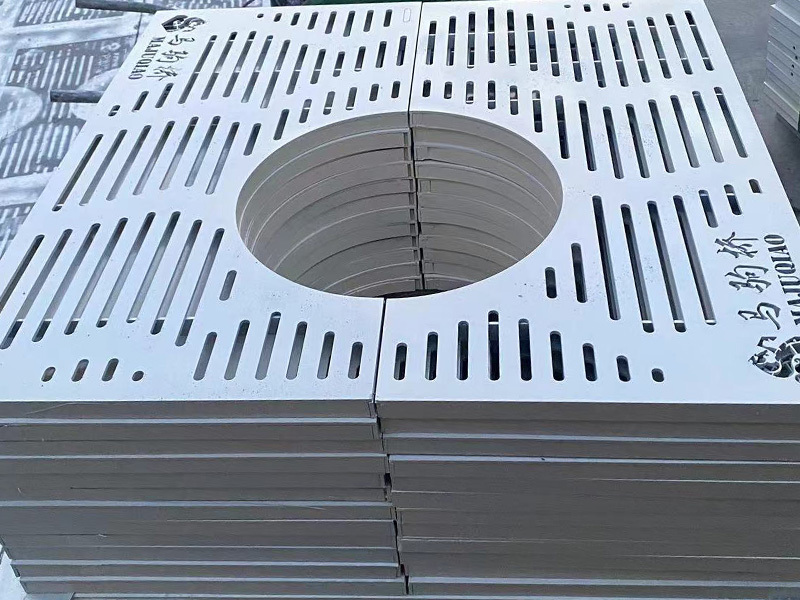
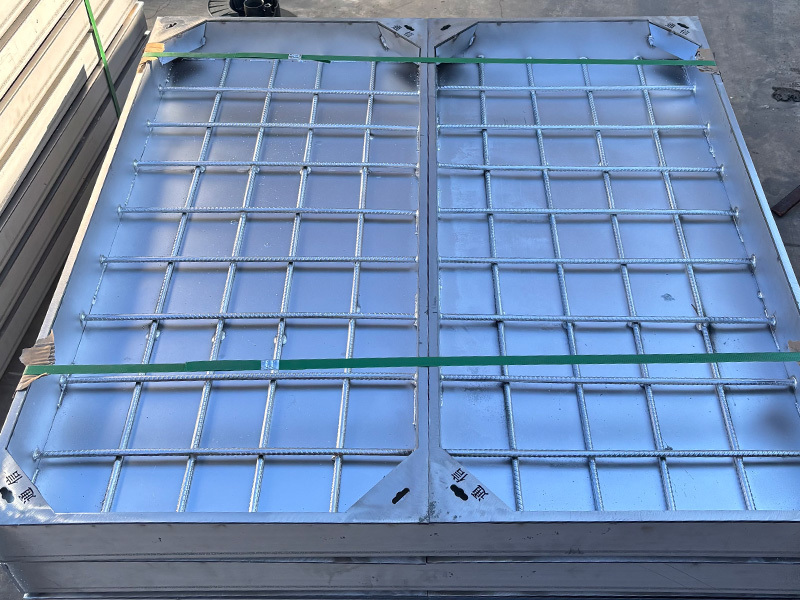
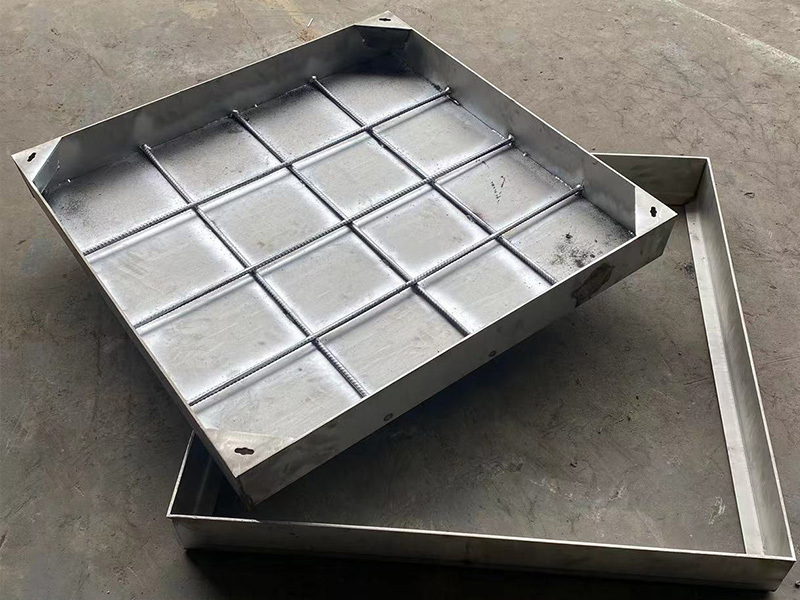
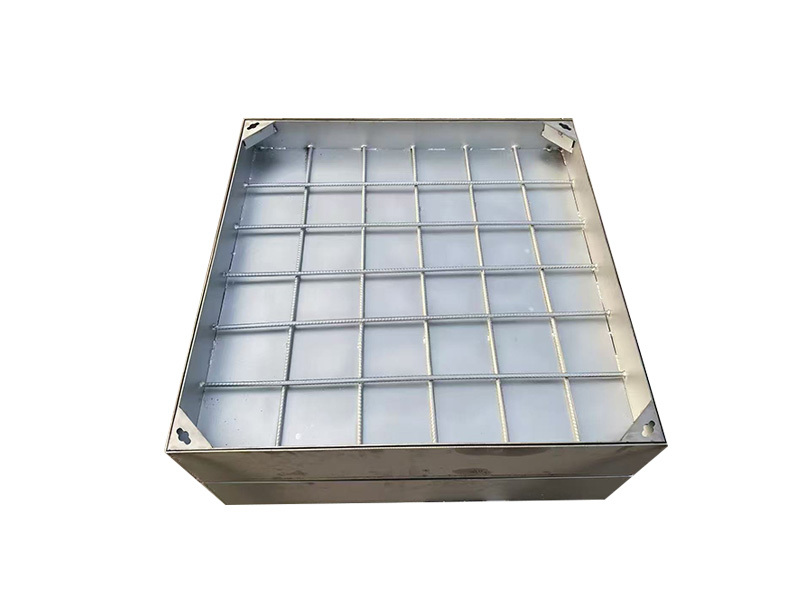
There are several types of manhole covers, each designed for specific applications and conditions. Standard circular manhole covers are the most common, as their shape enables them to bear heavy loads while being easy to install. Square and rectangular covers are also used, particularly in areas where the underlying utility infrastructure requires a specific access shape. Additionally, some covers come with unique locking mechanisms to prevent theft and unauthorized access, which is essential in urban areas where infrastructure security is paramount.
Maintenance of manhole covers is often overlooked but is critical for ensuring their longevity and functionality. Regular inspections should be conducted to check for any signs of wear, corrosion, or misalignment. Any damaged or misaligned covers can pose safety risks and should be repaired or replaced promptly. Keeping the area around manhole covers clear of debris and vegetation is also essential, as this can prevent water accumulation and ensure proper drainage.
Moreover, communities can engage in educational programs to inform the public about the importance of manhole covers. Raising awareness can help reduce accidents and foster a sense of responsibility among citizens regarding urban infrastructure.
In conclusion, manhole covers are more than just functional components of a city’s landscape; they are a fundamental aspect of public safety and urban efficiency. Understanding the different types of manhole covers and the importance of their maintenance can contribute to safer, more resilient urban environments. As cities continue to grow and evolve, the role of manhole covers will remain essential in supporting the underlying infrastructure that keeps urban life functioning smoothly.
The primary function of manhole covers is to prevent accidents caused by open access points. They keep individuals and vehicles safe from falling into the depths below while also preventing unauthorized access to critical systems. The materials used in manufacturing manhole covers vary, but they are often made from cast iron, steel, or composite materials. Each choice offers distinct benefits, including durability, weight, and resistance to wear and tear.
There are several types of manhole covers, each designed for specific applications and conditions. Standard circular manhole covers are the most common, as their shape enables them to bear heavy loads while being easy to install. Square and rectangular covers are also used, particularly in areas where the underlying utility infrastructure requires a specific access shape. Additionally, some covers come with unique locking mechanisms to prevent theft and unauthorized access, which is essential in urban areas where infrastructure security is paramount.
Maintenance of manhole covers is often overlooked but is critical for ensuring their longevity and functionality. Regular inspections should be conducted to check for any signs of wear, corrosion, or misalignment. Any damaged or misaligned covers can pose safety risks and should be repaired or replaced promptly. Keeping the area around manhole covers clear of debris and vegetation is also essential, as this can prevent water accumulation and ensure proper drainage.
Moreover, communities can engage in educational programs to inform the public about the importance of manhole covers. Raising awareness can help reduce accidents and foster a sense of responsibility among citizens regarding urban infrastructure.
In conclusion, manhole covers are more than just functional components of a city’s landscape; they are a fundamental aspect of public safety and urban efficiency. Understanding the different types of manhole covers and the importance of their maintenance can contribute to safer, more resilient urban environments. As cities continue to grow and evolve, the role of manhole covers will remain essential in supporting the underlying infrastructure that keeps urban life functioning smoothly.
Keywords:
More information

Jin Di
Tel:
Sales E-mail: